
Have you ever wondered what happens when a dispute arises between individuals or organizations, and how it gets resolved in a court of law? Civil lawsuits are a common occurrence in the United States, and understanding the various types of civil cases can be crucial in navigating the complex world of civil litigation.
Civil cases can range from simple disputes to complex legal battles, and knowing the different categories can help individuals and businesses better understand their legal options.
Key Takeaways
Table of Contents
- Understanding the different categories of civil cases is essential for navigating civil litigation.
- Civil lawsuits can involve disputes between individuals, organizations, or government entities.
- Knowing the types of civil cases can help individuals and businesses make informed decisions about their legal options.
- Civil cases can range from simple disputes to complex legal battles.
- Civil litigation can be a complex and time-consuming process.
Understanding Civil Law and Civil Cases
Civil law provides a framework for resolving disputes between parties, ensuring that justice is served in a fair and equitable manner. It is a distinct branch of law that deals with legal disputes between individuals, organizations, or government entities, where one party claims that another party has failed to fulfill a legal obligation.
The scope of civil law is broad, encompassing various types of cases, including disputes related to contracts, property, personal injury, and family law. Unlike criminal law, which focuses on punishing offenders for committing crimes against society, civil law aims to provide remedies for individuals or entities affected by another’s actions or negligence.
What Distinguishes Civil Cases from Criminal Cases
The primary distinction between civil and criminal cases lies in their purpose and the parties involved. Civil cases typically involve private parties, such as individuals or businesses, whereas criminal cases involve the state or government prosecuting an individual or entity for a criminal offense.
- Civil cases focus on compensating the plaintiff for damages or losses.
- Criminal cases aim to punish the defendant for committing a crime.
- The burden of proof differs; civil cases require a preponderance of evidence, while criminal cases demand proof beyond a reasonable doubt.
The Purpose and Function of Civil Courts
Civil courts play a crucial role in resolving civil law cases by providing a platform for parties to present their claims and defenses. The primary function of civil courts is to interpret the law, determine the facts of a case, and render a verdict that is fair and just.
Civil courts also have the authority to order remedies, such as monetary damages, injunctions, or specific performance, to compensate the prevailing party or to enforce a contractual obligation.
Types of Civil Cases and Examples
Understanding the different types of civil cases is crucial for navigating the legal system effectively. Civil cases encompass a wide range of legal disputes, and knowing the specifics of each type can help individuals and businesses better navigate the complexities of civil litigation.
Overview of Major Civil Case Categories
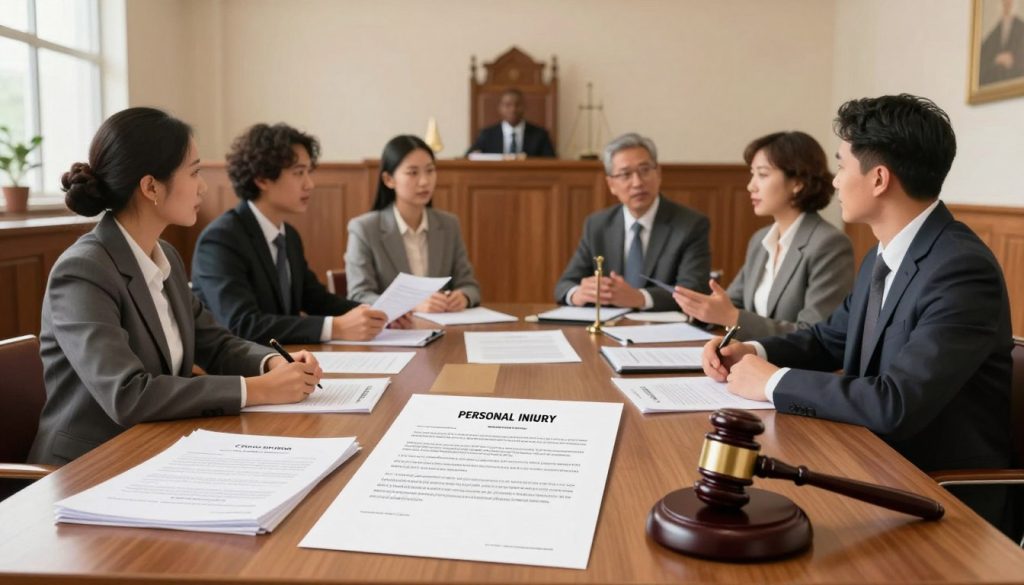
Civil cases can be broadly categorized into several major types, including personal injury, contract disputes, property damage, and family law cases. Personal injury cases involve claims of physical or psychological harm caused by another’s negligence or wrongdoing. Contract disputes arise when parties disagree over the terms or fulfillment of a contractual agreement.
A key aspect of understanding these categories is recognizing the legal principles that apply to each. For instance, negligence is a critical factor in personal injury cases, while contractual obligations are central to contract disputes.
How to Identify Your Type of Civil Case
Identifying the type of civil case you’re dealing with involves analyzing the nature of the dispute or issue at hand. To start, consider the key elements of your case: the parties involved, the nature of the grievance, and the desired outcome. Ask yourself if the issue revolves around a contractual agreement, personal injury, property rights, or family law matters.
- Is the dispute related to a business or personal transaction? This could indicate a contract or business-related civil case.
- Have you suffered a physical or financial injury due to someone else’s actions? This might be a personal injury or tort case.
- Is the issue related to marital status, child custody, or support? This would fall under family law.
Jurisdiction Considerations in Civil Litigation
Jurisdiction is a critical factor in civil litigation, determining which court has the authority to hear a case. Jurisdiction can be based on the location of the parties involved, where the incident occurred, or where the relevant property is situated.
| Jurisdiction Type | Description | Example |
|---|---|---|
| Personal Jurisdiction | Court’s authority over the parties involved | A court in California has jurisdiction over a defendant living in California. |
| Subject Matter Jurisdiction | Court’s authority over the type of case | A bankruptcy court has jurisdiction over bankruptcy cases. |
| Territorial Jurisdiction | Court’s authority based on geographical location | A court in New York has jurisdiction over cases involving incidents that occurred in New York. |
Understanding jurisdiction is essential for ensuring that your case is filed in the correct court, thereby avoiding potential dismissals or delays.
Personal Injury and Tort Law Cases
When individuals suffer harm due to others’ actions or negligence, they often turn to personal injury and tort law for recourse. Personal injury and tort law cases are a significant part of civil lawsuits, providing a legal pathway for victims to seek compensation for their injuries or damages.
Negligence Claims
Negligence claims are a common type of personal injury case. They arise when one party fails to exercise reasonable care, resulting in harm to another. For instance, a driver failing to stop at a red light and hitting a pedestrian could be held negligent. To succeed in a negligence claim, the plaintiff must prove that the defendant owed a duty of care, breached that duty, and that this breach caused the plaintiff’s injuries.
Medical Malpractice
Medical malpractice is another critical area within personal injury law. It occurs when healthcare professionals deviate from the standard of care, causing patient harm. Examples include surgical errors, misdiagnosis, or improper treatment. Victims of medical malpractice can seek compensation for their additional suffering, medical expenses, and lost wages.
Product Liability
Product liability cases involve injuries caused by defective or dangerous products. Manufacturers, distributors, and sellers can be held liable for placing unsafe products into the market. This can include anything from faulty electronics to contaminated food products. Strict liability often applies in these cases, meaning the plaintiff does not need to prove negligence, only that the product was defective and caused harm.
Intentional Torts
Intentional torts are civil wrongs committed on purpose, such as assault, battery, or defamation. Unlike negligence, which involves a failure to act with reasonable care, intentional torts involve deliberate actions. Victims of intentional torts can seek compensatory damages for their losses, as well as punitive damages to punish the wrongdoer.
To illustrate the different types of personal injury and tort law cases, consider the following table:
| Case Type | Description | Example |
|---|---|---|
| Negligence Claims | Failure to exercise reasonable care | Car accident due to speeding |
| Medical Malpractice | Deviation from standard medical care | Surgical error |
| Product Liability | Injuries from defective products | Faulty electronics causing burns |
| Intentional Torts | Deliberate actions causing harm | Assault or defamation |
Contract and Business-Related Civil Cases
The realm of civil law includes contract and business-related disputes, which are critical to understand for any business or individual involved in commercial activities. These cases often involve complex legal issues that require a thorough understanding of contract law, business practices, and the legal framework governing business operations.

Breach of Contract
A breach of contract occurs when one party fails to fulfill their obligations under the terms of a contract. This can lead to legal disputes and civil claims as the affected party seeks compensation or other remedies. Breach of contract cases can be complex, involving detailed examinations of the contract terms and the circumstances surrounding the breach.
Business Disputes
Business disputes arise from various issues, including disagreements between business partners, conflicts with suppliers or customers, and other operational challenges. These disputes can escalate into civil litigation if not resolved through negotiation or mediation. Understanding the legal principles governing business operations is crucial for resolving these disputes effectively.
Employment Law Cases
Employment law cases involve disputes related to employment contracts, workplace conditions, and other employment-related issues. These cases can include claims of wrongful termination, discrimination, and violations of employment contracts. Employment law is a specialized area that requires a deep understanding of both state and federal regulations.
Intellectual Property Disputes
Intellectual property disputes involve conflicts over the rights to inventions, creative works, and other intellectual assets. These disputes can arise in various contexts, including business operations, creative industries, and technology development. Protecting intellectual property is crucial for businesses and individuals to maintain their competitive edge.
In conclusion, contract and business-related civil cases encompass a wide range of legal issues that are critical for businesses and individuals to understand. By grasping the principles of contract law, business practices, and the legal framework governing these areas, parties can better navigate the complexities of civil litigation and protect their interests.
Family Law and Domestic Civil Cases
The realm of family law is complex, involving various civil cases that affect families deeply. Family law encompasses a broad range of issues, from divorce and child custody to adoption and guardianship.