
Have you ever wondered what happens when someone files a lawsuit? Understanding the civil litigation process can be daunting, but it’s essential for individuals who may be involved in a civil lawsuit.
The civil case process involves several steps, from filing a complaint to reaching a verdict. It’s a complex and often lengthy process, but being informed can make a significant difference in the outcome.
As a beginner, it’s crucial to understand the basics of civil litigation. This guide will walk you through the process, providing a comprehensive overview of what to expect.
Key Takeaways
Table of Contents
- Understanding the civil litigation process is crucial for individuals involved in a lawsuit.
- The civil case process involves several steps, from filing a complaint to reaching a verdict.
- Being informed can make a significant difference in the outcome of a civil lawsuit.
- A beginner’s guide to civil litigation can help individuals navigate the complex process.
- Knowing what to expect can reduce stress and anxiety for those involved in a civil case.
Understanding the Civil Case Process for Beginners
Navigating the legal system can be daunting, but understanding the basics of a civil case is a crucial first step. A civil case involves a dispute between two or more parties, typically individuals, organizations, or government entities, where one party, the plaintiff, seeks compensation or relief from the other, the defendant.
What Is a Civil Case?
A civil case is a legal proceeding that is not related to a criminal offense. It’s about resolving disputes between parties, often involving money or specific actions. The goal is to provide a fair and impartial forum for resolving these disputes.
Civil vs. Criminal Cases: Key Differences
The primary distinction between civil and criminal cases lies in their purpose and the parties involved. Criminal cases involve the state or federal government prosecuting an individual or entity for a crime, with penalties such as fines or imprisonment. In contrast, civil cases are disputes between private parties or entities seeking compensation or specific relief.
Common Types of Civil Cases
Civil cases encompass a broad range of disputes, including personal injury claims, contract disputes, property damage, and family law issues like divorce and child custody. Here’s a brief overview of some common types:
| Type of Civil Case | Description |
|---|---|
| Personal Injury | Claims arising from injuries caused by another’s negligence or wrongdoing. |
| Contract Disputes | Disagreements over the terms, performance, or breach of a contract. |
| Property Damage | Cases involving damage to property, often due to negligence or intentional acts. |
Understanding these basics is key to navigating the civil case process effectively. By recognizing the differences between civil and criminal cases and knowing the common types of civil disputes, individuals can better prepare themselves for the legal journey ahead.
Pre-Filing Considerations
Understanding the pre-filing considerations is essential for navigating the complexities of civil court procedures. Before proceeding with a civil lawsuit, it’s vital to assess several key factors that can significantly impact the outcome of your case.
Determining If You Have a Valid Legal Claim
The first step is to determine if you have a valid legal claim. This involves assessing whether you have suffered a loss or injury and if another party is responsible. A valid claim must have a clear legal basis and sufficient evidence to support it.
Statute of Limitations
Another critical factor is the statute of limitations, which sets a time limit for filing a lawsuit. The statute of limitations varies by state and type of claim, so it’s crucial to understand the specific time constraints applicable to your case.
| Type of Claim | Statute of Limitations |
|---|---|
| Personal Injury | 2-3 years |
| Contract Disputes | 4-6 years |
| Property Damage | 2-4 years |
Alternative Dispute Resolution Options
Exploring alternative dispute resolution (ADR) options, such as mediation or arbitration, can be a cost-effective and efficient way to resolve disputes without going to court. ADR can save time and reduce legal costs, making it an attractive option for many parties.
Deciding Between Self-Representation and Hiring an Attorney
Finally, deciding whether to represent yourself or hire an attorney is a crucial decision. While self-representation can save on legal fees, hiring an experienced attorney can significantly improve your chances of success in a civil lawsuit.
By carefully considering these pre-filing factors, you can better understand the civil case timeline for beginners and make informed decisions about how to proceed with your case.
Filing a Civil Lawsuit
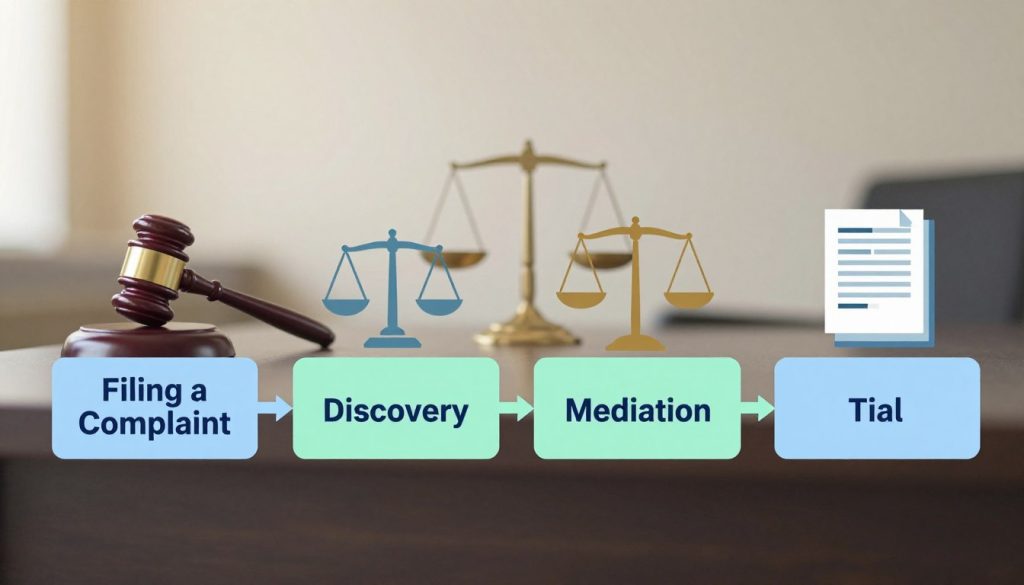
The process of filing a civil lawsuit involves several key steps that must be carefully followed to ensure your case is properly presented to the court. Understanding these steps is crucial for navigating the complexities of civil litigation 101.
Preparing the Complaint
The first step in filing a civil lawsuit is preparing the complaint. This document outlines the facts of your case, the legal grounds for your claim, and the relief you’re seeking. It’s essential to be thorough and precise when drafting the complaint, as it forms the foundation of your lawsuit. A well-crafted complaint will clearly state the defendant’s actions or omissions that led to your grievance.
Filing Fees and Court Selection
Once the complaint is prepared, you’ll need to file it with the appropriate court, paying the required filing fees. The amount of these fees can vary significantly depending on the jurisdiction. Choosing the right court is also critical; it must have jurisdiction over the defendant and the subject matter of your case. Consulting a civil case flowchart can help determine the correct venue.
Serving the Defendant
After filing the complaint, the defendant must be formally notified of the lawsuit through a process known as service of process. This step is crucial for establishing that the defendant has been given the opportunity to respond to the allegations. Proper service ensures that the court has personal jurisdiction over the defendant.
Responding to a Lawsuit if You’re the Defendant
If you’re the defendant in a civil lawsuit, responding promptly and appropriately is vital. You’ll need to file an answer to the complaint, addressing the allegations and asserting any defenses you may have. Failing to respond can result in a default judgment against you, so understanding the process and potentially seeking legal counsel is advisable.
In conclusion, filing a civil lawsuit is a multifaceted process that requires careful attention to detail and a thorough understanding of legal procedures. By following these steps and potentially consulting with legal professionals, individuals can effectively navigate the complexities of civil litigation.
The Discovery Phase
Understanding the discovery phase is essential for navigating a civil lawsuit. This critical stage allows both parties to exchange information and evidence, helping to build their cases.
Written Discovery: Interrogatories and Requests for Production
Written discovery involves the use of interrogatories and requests for production. Interrogatories are written questions that must be answered under oath, while requests for production involve obtaining documents or electronically stored information relevant to the case.
Depositions: What to Expect
Depositions are sworn testimonies taken outside of court, where witnesses or parties involved are questioned by attorneys. This process helps attorneys understand the strengths and weaknesses of the case and prepares them for trial.

E-Discovery in Modern Litigation
E-discovery refers to the electronic aspect of discovery, involving the retrieval and exchange of electronically stored information (ESI). This includes emails, documents, and other digital data relevant to the case.
Discovery Disputes and Protective Orders
Sometimes, disputes arise during the discovery phase. Protective orders can be sought to limit or prevent the disclosure of certain information, protecting sensitive or confidential data.
The discovery phase is a vital part of the civil case steps, allowing both sides to gather necessary information. Understanding this process is key to navigating the legal process explained in civil lawsuits.
Pre-Trial Procedures
Understanding the pre-trial procedures is essential for navigating the civil court system effectively. These procedures are critical in shaping the outcome of a case and involve several key steps.
Motion Practice
Motion practice is a crucial aspect of pre-trial procedures, allowing parties to request the court to make specific decisions or take certain actions. Motions can be used to resolve various issues, such as the admissibility of evidence or the dismissal of certain claims. It’s essential to understand the different types of motions and how they can impact the case.
Settlement Negotiations
Settlement negotiations offer a way for parties to resolve their disputes without going to trial. These negotiations can be conducted directly between the parties or through their attorneys. Effective settlement negotiations require a clear understanding of the case’s strengths and weaknesses.
Mediation and Settlement Conferences
Mediation involves a neutral third-party facilitating negotiations between the parties to reach a settlement. Settlement conferences, on the other hand, are meetings between the parties and the judge to discuss potential settlements. Both mediation and settlement conferences can be effective ways to resolve disputes without a trial.
Final Pre-Trial Conference
The final pre-trial conference is a meeting between the parties and the judge to discuss the case’s status and any remaining issues before trial. This conference is an opportunity to clarify the issues, identify potential problems, and streamline the trial process. Understanding the purpose and procedures of the final pre-trial conference is vital for a smooth trial.
The Trial and Post-Trial Process
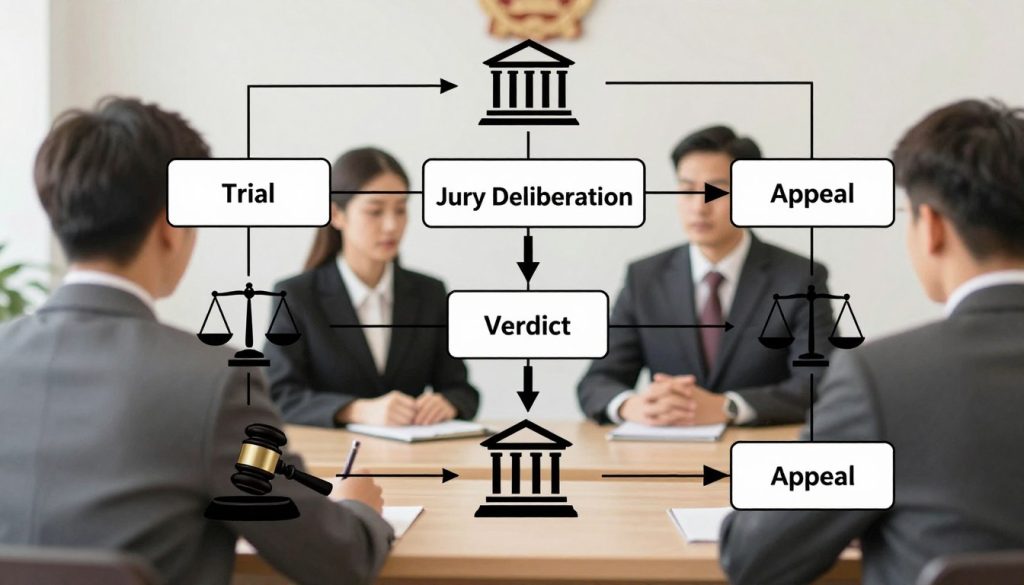
The trial is the centerpiece of the civil litigation process, where both sides present their arguments and evidence to a judge or jury. Understanding the trial and post-trial process is crucial for anyone involved in a civil lawsuit.
Jury Selection and Trial Preparation
Jury selection, also known as voir dire, is the process by which the court and the parties select the jurors who will hear the case. Effective trial preparation involves organizing evidence, preparing witnesses, and anticipating the opposing party’s arguments.
Key aspects of trial preparation include:
- Developing a clear trial strategy
- Preparing opening and closing statements
- Organizing evidence and exhibits
- Preparing witnesses for testimony
Presenting Your Case: Evidence and Testimony
During the trial, both parties present their cases through evidence and witness testimony. This involves calling witnesses, introducing exhibits, and presenting expert testimony.
“The quality of evidence and the credibility of witnesses can significantly impact the outcome of a trial.”
Verdict and Judgment
After both sides have presented their cases, the judge or jury delivers a verdict. The court then enters a judgment based on the verdict, which is the final decision in the case.
Appeals Process
If a party is dissatisfied with the judgment, they may appeal to a higher court. The appeals process involves reviewing the trial court’s decision for legal errors.
Enforcing a Judgment
Once a judgment is final, the prevailing party must take steps to enforce it, which can involve various legal mechanisms such as wage garnishment or asset seizure.
| Post-Trial Activities | Description |
|---|---|
| Appeals Process | Reviewing the trial court’s decision for legal errors |
| Enforcing a Judgment | Using legal mechanisms to collect the awarded amount |
Conclusion
The civil case process can be complex, but understanding its various stages is crucial for a successful outcome. As a beginner’s guide to civil litigation, this article has walked you through the essential steps involved in a civil lawsuit.
From pre-filing considerations to the trial and post-trial process, each stage requires careful preparation and strategic decision-making. By grasping the civil case process for beginners, you’ll be better equipped to navigate the legal system and achieve your desired outcome.
Whether you’re pursuing a claim or defending against one, this guide has provided a comprehensive foundation for understanding the civil litigation process. As you move forward, remember to stay informed and seek professional guidance when needed to ensure the best possible result.