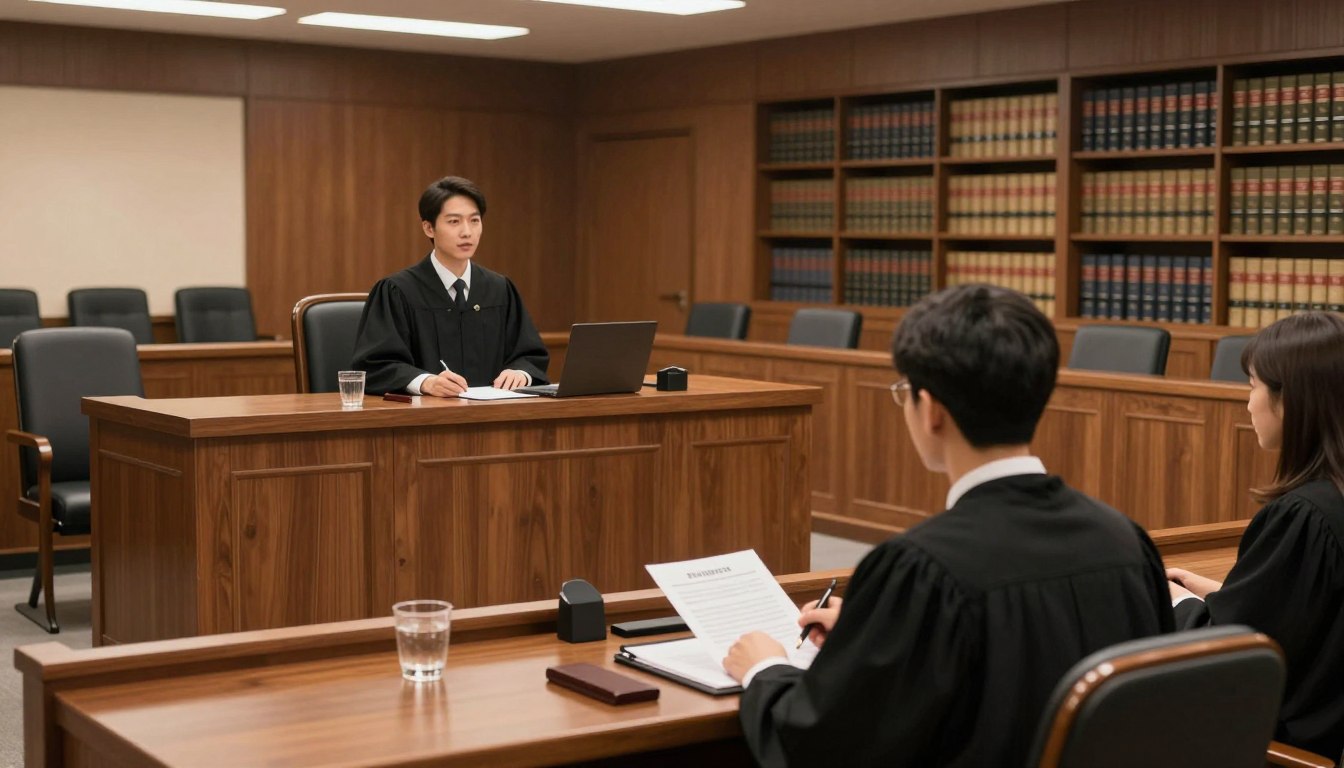
Have you ever wondered what happens when a dispute ends up in court? Understanding the process of a civil case can be daunting, but it’s essential for anyone involved in a legal dispute.
Civil cases involve conflicts between individuals, businesses, or organizations, and knowing how they unfold can make a significant difference in the outcome.
The process involves several key stages, from filing a complaint to reaching a verdict. By breaking down the steps involved, individuals can better navigate the complex legal landscape.
Key Takeaways
Table of Contents
- Understanding the civil case process is crucial for a successful outcome.
- The process involves multiple stages, from complaint to verdict.
- Knowing what to expect can reduce stress and improve decision-making.
- Civil cases can involve various types of disputes, including business and personal conflicts.
- A clear understanding of the process can help individuals prepare for court.
Understanding Civil Cases
Civil cases are a fundamental part of the legal system, providing a framework for resolving disputes between individuals, organizations, or government entities. These cases can arise from a wide range of issues, including contractual disputes, personal injuries, and property damage.
Definition and Types of Civil Cases
A civil case typically involves a plaintiff seeking compensation or relief from a defendant. The types of civil cases can vary significantly, including tort claims, breach of contract, and family law disputes. As noted by legal expert,
“Civil cases are about seeking justice and compensation for wrongs committed against individuals or entities.”
Differences Between Civil and Criminal Cases
One of the key distinctions between civil and criminal cases lies in their purpose and the parties involved. Civil cases focus on resolving disputes and providing compensation, whereas criminal cases aim to punish offenders for crimes against the state or society. Civil cases are typically brought by individuals or organizations, while criminal cases are prosecuted by the government.
Jurisdiction and Venue Considerations
Jurisdiction refers to the authority of a court to hear a case, while venue pertains to the geographical location where the case is tried. Determining the appropriate jurisdiction and venue is crucial in civil cases, as it can significantly impact the outcome. Factors such as the residence of the parties, the location of the incident, and the type of claim can influence these decisions.
Pre-Filing Considerations
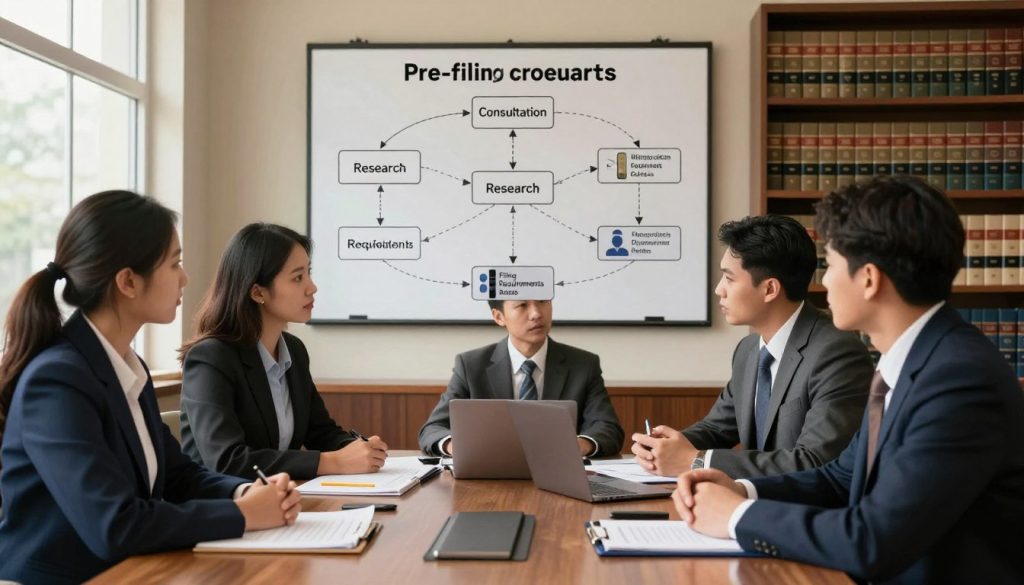
Pre-filing considerations are a critical step in the civil case procedure that can help determine the validity and potential success of your claim. Before proceeding with filing a civil case, it’s crucial to evaluate several key factors.
Determining If You Have a Valid Claim
The first step is to assess whether you have a valid claim. This involves examining the facts of your case and determining if you have a legitimate legal grievance. As noted legal expert emphasizes,
“A valid claim is one that is supported by law and evidence.”
Consider consulting with an attorney to help you evaluate the merits of your case.
Statute of Limitations
Another critical consideration is the statute of limitations, which sets a time limit for filing a lawsuit. Missing this deadline can result in your case being dismissed. The statute of limitations varies by jurisdiction and type of claim, so it’s essential to understand the specific time constraints applicable to your case.
Alternative Dispute Resolution Options
Exploring alternative dispute resolution (ADR) options, such as mediation or arbitration, can be a cost-effective and efficient way to resolve disputes without going to court. ADR can provide a faster resolution and help preserve relationships.
Finding Legal Representation
Finally, finding the right legal representation is vital. An experienced attorney can guide you through the complexities of the civil case procedure, help you navigate the legal system, and advocate on your behalf. When selecting an attorney, consider their expertise, reputation, and communication style to ensure they are a good fit for your needs.
Filing a Civil Complaint
The civil litigation process begins with filing a complaint, a critical document that sets the stage for the entire case. This document notifies the defendant of the lawsuit and outlines the plaintiff’s grievances.
Drafting the Complaint Document
Drafting the complaint document requires precision. It must include jurisdictional statements, a clear description of the dispute, and the relief sought. The document should be concise yet comprehensive, providing the defendant with a clear understanding of the allegations.
Filing with the Proper Court
Once the complaint is drafted, it must be filed with the appropriate court. Determining the proper venue is crucial, as it ensures that the case is heard in a court with jurisdiction over the matter.
Paying Filing Fees and Service Costs
Filing a complaint involves various costs, including filing fees and service costs. These fees can vary significantly depending on the jurisdiction. Understanding these costs is essential for managing the litigation process effectively.
Temporary Restraining Orders and Preliminary Injunctions
In some cases, a plaintiff may seek a temporary restraining order (TRO) or a preliminary injunction to prevent further harm or preserve the status quo until the case is resolved. These legal remedies require a compelling argument and evidence to support the request.
By understanding the process of filing a civil complaint, parties can better navigate the civil litigation process and ensure that their case is presented effectively.
Serving the Defendant and Response Phase
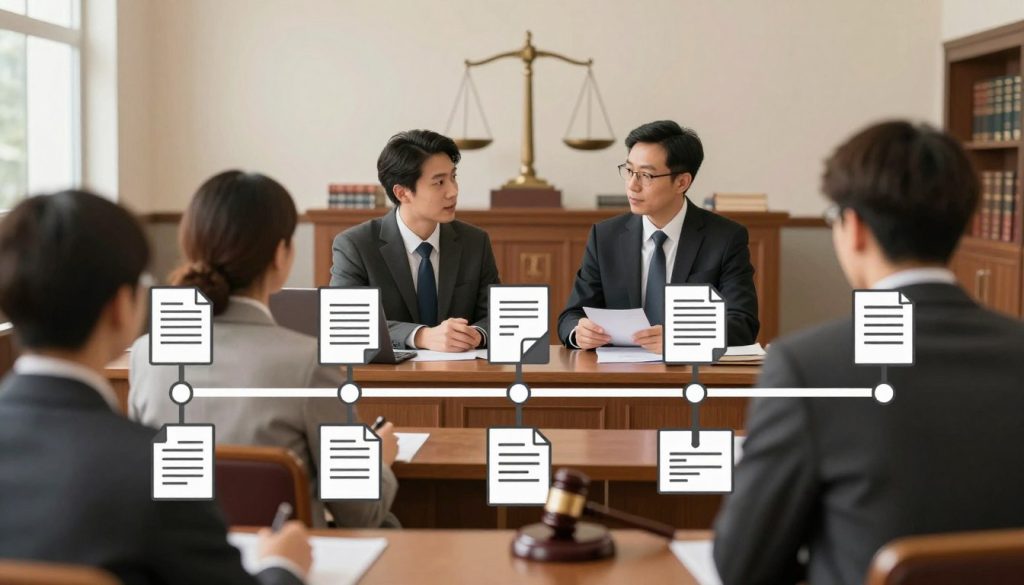
Serving the defendant is a critical phase in the civil case timeline, as it notifies them of the legal action being taken. This step is essential to ensure that the defendant is aware of the lawsuit and has the opportunity to respond.
Methods of Proper Service
There are several methods of serving a defendant, including personal service, where the documents are handed directly to the defendant, and service by mail, which is allowed in some jurisdictions under certain conditions. Proper service is crucial to avoid delays or dismissal of the case.
Proof of Service Requirements
After serving the defendant, it’s necessary to file a proof of service with the court. This document confirms that the defendant was properly served and provides details about the service method used. Proof of service is a critical step to establish that the defendant was notified.
Defendant’s Options: Answer, Motion to Dismiss, or Default
The defendant has several options when responding to a lawsuit. They can file an answer to the complaint, responding to the allegations made against them. Alternatively, they can file a motion to dismiss if they believe the complaint lacks legal merit. If the defendant fails to respond, the court may enter a default judgment against them.
Counterclaims and Cross-Claims
In their response, the defendant may also assert counterclaims against the plaintiff or bring cross-claims against other defendants. These claims allow the defendant to seek relief or damages related to the original lawsuit.
How Civil Cases Work Step by Step: The Discovery Process
The discovery process is a pivotal phase in civil litigation, enabling both parties to exchange information and evidence. This stage is crucial as it allows both sides to prepare for trial by gathering necessary documents, testimony, and other relevant evidence.
Written Discovery: Interrogatories, Requests for Production, and Admissions
Written discovery involves several key components. Interrogatories are written questions that must be answered in writing under oath. Requests for Production involve asking for documents or electronically stored information that may be relevant to the case. Requests for Admission are used to confirm facts or authenticity of documents, simplifying the trial process by narrowing down the issues in dispute.
Depositions and Witness Statements
Depositions are sworn testimonies of witnesses or parties involved, taken outside of court. They are a critical tool for gathering information and assessing witness credibility. Witness statements can also be obtained in writing, providing a written record of their testimony.
E-Discovery Considerations
E-discovery involves the retrieval and exchange of electronically stored information (ESI). This process requires careful consideration of data preservation, collection, and production. Parties must navigate issues related to data privacy, privilege, and the potential for data spoliation.
Discovery Disputes and Protective Orders
Discovery disputes often arise when parties disagree on the scope or method of discovery. Protective orders can be sought to limit or prevent certain discovery requests, protecting sensitive information from unnecessary disclosure. Resolving these disputes efficiently is crucial to keeping the case on track.
In conclusion, the discovery process is a multifaceted and essential part of civil litigation, involving various methods of information and evidence exchange. Understanding these steps is vital for navigating a civil case effectively.
Pre-Trial Procedures
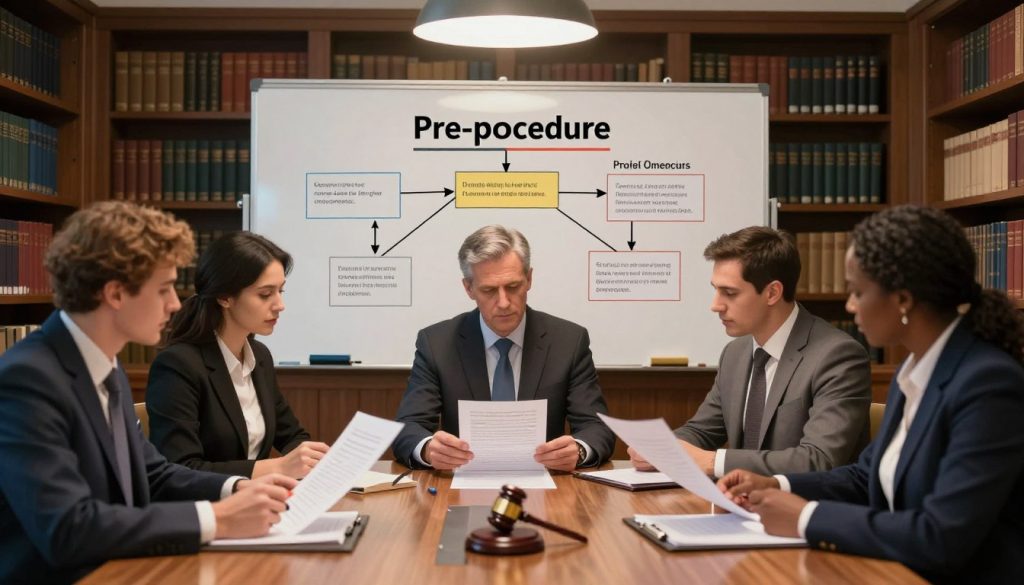
The pre-trial phase is a critical stage in a civil case, involving several key procedures that help prepare the parties for trial. This phase is crucial for resolving certain issues, narrowing down the matters in dispute, and potentially even resolving the case without a trial.
Motion Practice
Motion practice involves the filing of various motions with the court to resolve specific issues before trial. These motions can range from requests to compel discovery to motions to exclude certain evidence. Effective motion practice can significantly impact the outcome of a case.
Summary Judgment
A summary judgment motion is a critical pre-trial motion that allows a party to seek a judgment without a trial if there are no genuine issues of material fact. This motion is supported by evidence such as depositions and affidavits, and if successful, can result in the dismissal of some or all of the claims.
Settlement Conferences and Negotiations
Settlement conferences provide an opportunity for the parties to negotiate a potential resolution of the case. These conferences can be facilitated by a judge or mediator and are aimed at avoiding the time, expense, and uncertainty of a trial.
Final Pre-Trial Conference and Trial Preparation
The final pre-trial conference is a meeting between the parties and the court to discuss the trial logistics, including the witnesses to be called, the evidence to be presented, and any other matters that need to be addressed before trial. Proper preparation at this stage is essential for a smooth trial.
To illustrate the pre-trial process, consider the following table outlining the key pre-trial procedures and their purposes:
| Pre-Trial Procedure | Purpose |
|---|---|
| Motion Practice | Resolve specific issues before trial, such as discovery disputes or evidentiary matters |
| Summary Judgment | Seek a judgment without a trial if there are no genuine issues of material fact |
| Settlement Conferences | Negotiate a potential resolution of the case to avoid trial |
| Final Pre-Trial Conference | Discuss trial logistics and finalize preparations for trial |
The Civil Trial Process
Understanding the civil trial process is crucial for anyone involved in a civil case. This process is a cornerstone of the legal system, allowing parties to resolve disputes in a structured and fair manner.
Jury Selection and Opening Statements
The civil trial begins with jury selection, a process where potential jurors are questioned to determine their suitability to hear the case. Once the jury is selected, the trial proceeds with opening statements from both the plaintiff and the defendant. These statements outline the key arguments and provide a roadmap for the trial.
Presentation of Evidence and Witness Testimony
After opening statements, the court hears evidence and witness testimony. This stage is critical, as it allows both parties to present their case through witnesses, documents, and other forms of evidence. The presentation of evidence is governed by rules of evidence, which ensure that only relevant and reliable information is considered.
Closing Arguments and Jury Instructions
Once all evidence has been presented, the parties deliver closing arguments, summarizing their cases and highlighting key evidence. Following closing arguments, the judge provides jury instructions, guiding the jury on the law applicable to the case.
Verdict and Judgment
The jury then deliberates and delivers a verdict. If the verdict is in favor of the plaintiff, the court will enter a judgment against the defendant, outlining the relief or damages awarded. The judgment is the final decision in the case, although it may be subject to appeal.
The civil trial process is complex, but understanding its stages can help parties navigate the legal system more effectively. By following the steps outlined above, individuals can better prepare for the challenges of a civil trial.
Conclusion: Post-Trial Procedures and Appeals
Understanding how civil cases work step by step is crucial for navigating the complex legal landscape. After a verdict is reached, several post-trial procedures come into play. These may include filing post-trial motions, such as motions for judgment notwithstanding the verdict or motions for a new trial.
The appeals process is another critical step, allowing parties to challenge the trial court’s decision. Appeals are typically heard by a higher court, which reviews the trial record and applicable law to determine if errors occurred that warrant reversal or modification of the judgment.
Familiarity with these post-trial procedures and the appeals process is essential for effectively navigating the civil litigation system. By understanding how civil cases work step by step, litigants can better prepare for the various stages of their case, from initial filing through potential appeals.